
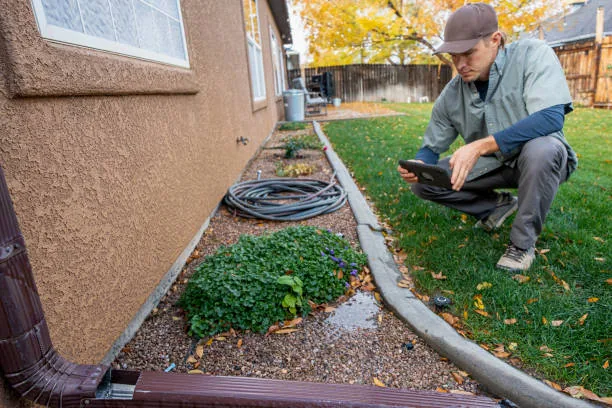
Foundation repair across Northwest Arkansas — backed by a real, transferable warranty.
AFW backs certified foundation repair across Northwest Arkansas — Fayetteville, Bentonville, Rogers, Springdale, and beyond — with a dedicated, transferable structural-settlement warranty bound to the property, not the contractor.
Repair without a real warranty is half a fix.
Northwest Arkansas's cherty-clay belt drives settlement that outlives most contractors. A standard 'lifetime' service guarantee dies when the company does. AFW separates the financial protection from the work — your repair is backed by a dedicated, transferable policy bound to the property.
Every job starts with engineering-first diagnostics — 3D topographic laser mapping, concrete rebound-hammer testing, and a documented baseline reviewed against IRC tolerances. See how the certification process works, or jump to the signs of foundation problems if you're trying to identify what you're seeing.
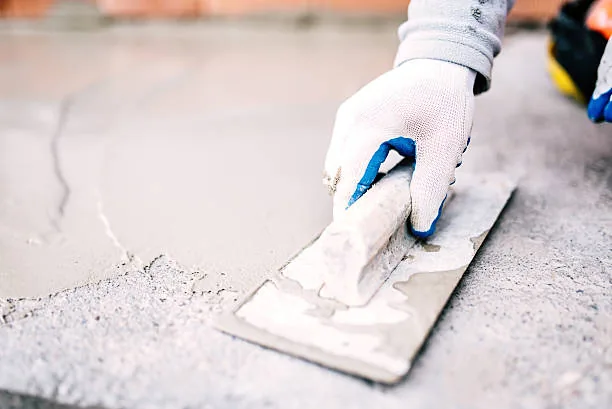
The foundation repair techniques behind every AFW-warranted job.
Helical & resistance piering
Engineered piers driven to load-bearing strata stabilize settled slabs and pier-and-beam framing.
Polyjacking & slab leveling
High-density polyurethane lifts settled slabs back to grade without the mess of mudjacking.
Crawl-space stabilization
Helper girders, joist shimming, and encapsulation control structural movement and moisture together.
Drainage correction
French drains, downspout extensions, and grading take the water load off the foundation perimeter.
How each repair method actually works — and when it does not.
Most foundation companies specialise in one method and recommend it for everything. An engineering-first scope starts from the failure mechanism and picks the method that matches it, which sometimes means recommending the cheaper one.
Helical piers
A steel shaft with helical plates is screwed into the ground beside the footing until torque readings confirm it has reached load-bearing strata. The footing is then bracketed to the shaft and the load transfers off the failing soil.
- Where it fits
- The default across most of Northwest Arkansas. Torque gives a live, measurable read on bearing capacity as the pier goes down, which matters enormously on karst where competent strata sits at inconsistent depth.
- Where it does not
- Needs equipment access to the elevation. Steep or heavily landscaped lots add hand-work, and very shallow bedrock can stop a helix before it reaches design torque.
Push (resistance) piers
Steel sections are hydraulically driven into the ground using the weight of the house itself as the reaction load, then the footing is lifted or held on the completed pier stack.
- Where it fits
- Heavier masonry and brick-veneer homes, where there is enough structural weight to drive against and the target strata is deeper than a helix comfortably reaches.
- Where it does not
- Light structures cannot generate the reaction load. A single-storey frame addition often cannot be pushed against effectively, which is why mixed-method scopes are common on additions.
Polyurethane foam lifting
Two-part structural foam is injected through penny-sized ports. It expands, fills the voids under the slab, and lifts it back toward grade in a controlled, monitored sequence.
- Where it fits
- A structurally sound slab that has simply lost the soil support beneath it — the classic NWA drought-rebound edge drop. Cures in minutes and the house is usable the same day.
- Where it does not
- It fills voids; it does not create bearing capacity. If the soil column itself cannot carry the load, foam is a temporary cosmetic result and the slab will drop again.
Crawl-space stabilization
Failed masonry piers are replaced, adjustable steel supports are set on new footings, deflected girders and joists are sistered or shimmed, and the framing is brought back within tolerance.
- Where it fits
- Pier-and-beam homes across older Springdale, West Fork, and Prairie Grove housing stock, where the original piers have tipped or settled into softened soil.
- Where it does not
- Structural correction alone does not fix the humidity that rotted the framing. Left unmanaged, the moisture problem simply restarts the clock on the wood.
Drainage correction
Regrading, downspout extensions, French drains, and interior drain tile move roof and surface water away from the footing before it can drive another shrink-swell cycle.
- Where it fits
- Almost every project. Water is the mechanism behind most NWA foundation movement, so drainage is usually scoped alongside the structural work rather than instead of it.
- Where it does not
- Nothing, really — except that it is the line homeowners most often cut to reduce a bid, which is the single most reliable way to buy the same repair twice.
Method choice is also the largest single driver of price. The foundation repair cost breakdown gives published ranges for each of the methods above, and the cherty-clay soil guide explains the geology that decides which one your house needs. For the two underpinning systems head to head, see helical piers vs. push piers.
What the project looks like, start to certificate.
Foundation work is disruptive enough without surprises about duration. These are realistic windows for a typical Northwest Arkansas project — not best cases.
- 1
Baseline
1 visit, 2–4 hours3D topographic laser mapping of floor elevations, concrete rebound-hammer testing, soil and drainage review, and photographic documentation. This is the free, no-obligation assessment, and it is the document everything downstream is measured against.
- 2
Engineering review and scope
3–10 daysElevation data is reviewed against IRC and engineering tolerances, pier count and depth are calculated from the settled length and the load above it, and the scope is written. You receive the findings whether or not they recommend work.
- 3
Scheduling and permits
1–4 weeksVaries with season and jurisdiction. Wet-weather backlogs are real in spring; access work such as landscaping removal happens in this window.
- 4
Structural work
2–10 days on siteA typical six-to-twelve pier elevation is a two-to-four day job. Foam lifting is usually one day. Full perimeter underpinning with framing repair runs longer. Homes are generally occupied throughout.
- 5
Drainage and restoration
1–5 daysGrading, drains, and downspouts, then backfill, concrete patching, and interior finish repair where it is in scope.
- 6
Re-survey and certification
1 visitElevations are re-shot against the original baseline to confirm the correction held. Where the property qualifies, that documented result is what the transferable warranty is issued against.
Only the final step is unique to AFW. Everything before it is ordinary competent foundation work — the difference is that it is documented well enough to be underwritten afterwards. That is what makes the slab and crawl-space policies issuable, and it is why the certification process starts with measurement rather than a sales visit.
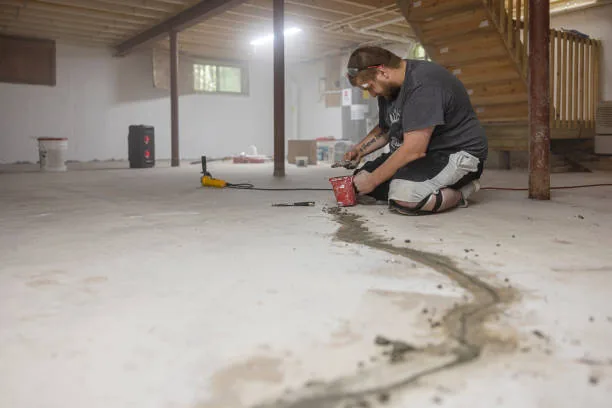
Foundation repair across every NWA city we cover.
Engineering response from our Springdale headquarters, with city-specific knowledge of soil, drainage, and neighborhood-level foundation patterns.
- Foundation repair in Fayetteville, AR
- Foundation repair in Bentonville, AR
- Foundation repair in Rogers, AR
- Foundation repair in Springdale, AR
- Foundation repair in West Fork, AR
- Foundation repair in Bella Vista, AR
- Foundation repair in Centerton, AR
- Foundation repair in Cave Springs, AR
- Foundation repair in Lowell, AR
- Foundation repair in Siloam Springs, AR
- Foundation repair in Prairie Grove, AR